Mushroom Coffee vs Regular Coffee (2026) | Taste, Caffeine & Ingredients
Share
2026 Guide • Taste • Caffeine • Ingredients • Choosing the right blend
Mushroom Coffee vs Regular Coffee: Which One Fits Your Routine in 2026?
Regular coffee is iconic. Mushroom coffee is the modern upgrade many coffee drinkers are curious about—because it blends coffee with functional mushroom extracts for a smoother, more balanced daily ritual. This guide breaks down the real differences (without hype): taste, caffeine, ingredients, and how to choose a clean blend.
*These statements have not been evaluated by the Food and Drug Administration. This content is for educational purposes only and is not intended to diagnose, treat, cure, or prevent any disease.
What Is Regular Coffee?
Regular coffee is made from roasted coffee beans and is primarily valued for its flavor and caffeine. Many people love it—yet some feel it can be “too intense” depending on serving size, brew strength, and personal sensitivity.
A typical 8-oz cup of coffee is often cited around the ~80–120 mg caffeine range (varies widely by brew). That range is one reason some people start exploring lower-caffeine alternatives or “smoother” coffee routines.
What Is Mushroom Coffee?
Mushroom coffee blends coffee with extracts from functional mushrooms such as Lion’s Mane, Reishi, Chaga, Cordyceps, Turkey Tail, and others. It’s part of a bigger “functional beverage” trend—where people want more than just caffeine from their daily cup.
Important: many popular claims online are stronger than the science. Experts generally note that evidence for specific “mushroom coffee benefits” in humans is still limited and often based on early or indirect research—so it’s smart to keep expectations realistic and choose blends for taste, quality, and routine fit first.
Taste: Does Mushroom Coffee Taste Like Mushrooms?
The #1 fear people have is that mushroom coffee will taste “fungal.” In reality, well-formulated blends typically taste like coffee—sometimes described as smoother, rounder, or slightly earthy.
What customers say about JH taste
One verified customer review described the flavor as “pure, clean, refreshing and smooth” and noted it didn’t cause the usual “coffee breath” or jitters they associate with caffeine.
(Customer review excerpt, Walmart listing)
Translation: taste matters most. If you don’t love the cup, you won’t drink it daily—so the best mushroom coffee is the one that fits your palate and routine.
Caffeine: Mushroom Coffee vs Coffee
Caffeine is where the experience often feels different. Some mushroom coffee products are “half-caf” style blends, while others are explicitly low caffeine—or even caffeine-free depending on the formula.
| Feature | JH Mushroom Coffee Original | Regular Coffee (typical) |
|---|---|---|
| Caffeine | ~16 mg per serving (low caffeine) | Often ~80–120 mg per 8 oz (varies) |
| Routine feel | Designed for a smoother daily ritual | Can feel intense for some |
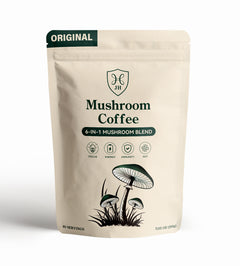
| Blend | 1650 mg mushroom + adaptogen blend | Coffee only |
If you love coffee flavor but want to cut back on caffeine, low-caffeine blends can be a practical middle ground—especially if you’re sensitive to jitters or you want a calmer afternoon cup.
Ingredients: What Matters (and What’s Just Marketing)
The mushroom coffee market has grown fast—so you’ll see a lot of labels. Here’s what actually matters when comparing mushroom coffee vs regular coffee:
1) A transparent ingredient list
Look for a clear list of what’s inside, not vague “proprietary blend” language. JH lists mushroom extracts plus coffee powder, coconut milk powder, and MCT oil powder.
2) No unnecessary add-ins
Many people choose mushroom coffee to keep the routine simple—so avoid blends loaded with sweeteners or “mystery” additives if you don’t want them. JH emphasizes no added sugar and a clean profile.
3) Caffeine that matches your day
If you’re switching from regular coffee mainly for “smoother energy,” caffeine level is the practical lever you can actually control.
One more reality check: reputable publications often emphasize that mushroom coffee claims online can be exaggerated, and research is still evolving—so choose products for taste, quality, and routine fit first.
How to Choose a Clean Mushroom Coffee (Simple Checklist)
- Start with taste: smooth + drinkable daily beats “perfect” macros you won’t stick to.
- Check caffeine: if you want “less intense,” pick low-caffeine or half-caf styles.
- Look for no added sugar: especially if you want a clean routine.
- Look for dietary fit: vegan, halal, gluten-free, etc., if those matter to you.
- Mixability matters: powders should dissolve well hot or iced.
Pro tip
For the smoothest cup, mix powder with warm water first, then add milk/ice. A handheld frother makes it café-smooth in seconds.
Why Customers Choose JH (Taste + Clean Daily Ritual)
If you’re exploring mushroom coffee as a regular coffee alternative, JH is built around three things that matter in real life:
- Smooth taste: customers describe it as “clean” and “smooth.”
- Low caffeine option: JH Original is listed at ~16 mg caffeine per serving—designed for a gentler routine.
- Simple ingredients: no added sugar, and a straightforward ingredient list.
*FDA Disclaimer: These statements have not been evaluated by the Food and Drug Administration. This product is not intended to diagnose, treat, cure, or prevent any disease.
FAQ
Does mushroom coffee taste like mushrooms?
Most well-made blends taste like coffee. Some people notice a mild earthy note, but the goal is a smooth cup you’ll actually drink daily.
Is mushroom coffee lower caffeine than regular coffee?
Often, yes—depending on the blend. Some are half-caf, others are low-caffeine, and some are caffeine-free. JH Original lists ~16 mg caffeine per serving.
What should I look for in a “clean” mushroom coffee?
Look for a transparent ingredient list, no added sugar (if that matters to you), and a caffeine level that fits your routine. Also make sure it mixes well—hot or iced.
Educational content only. Always check ingredients and consult a qualified professional if you have medical conditions, take medications, or are pregnant/nursing.


